Pooper Scooper Guide 2026: 4 Types That Save Your Back
A good pooper scooper turns the most dreaded chore of dog ownership into a thirty-second task. Whether you manage a single terrier in a tidy townhouse yard or a pack of retrievers across a half-acre, the right tool matters more than most people realize. This hands-on guide breaks down every major design, matches each one to your yard surface, and shows you how to protect your back while you work.
I have tested dozens of scoopers across grass, gravel, and concrete over the years, and the differences are real. A tool that glides across a lawn can be useless on loose stone. Let’s get into the details so you buy once and clean smart.
The Main Types of Pooper Scoopers
Not every scooper works the same way, and each design solves a different problem. Understanding the mechanics helps you avoid frustrating purchases.
Rake-and-Pan Sets
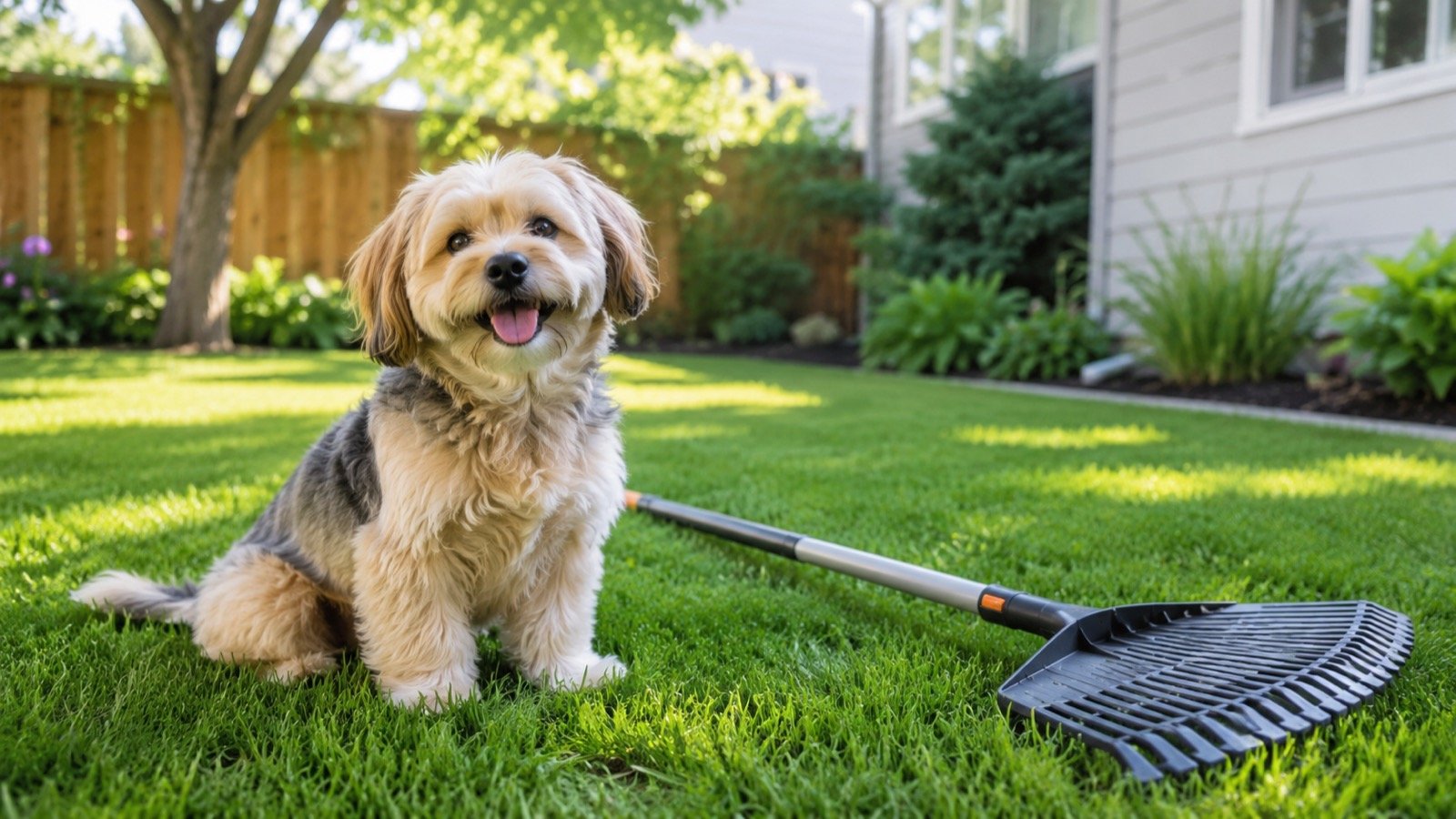
This two-piece system pairs a flat pan with a small rake or hoe. You hold the pan against the ground and drag the waste into it with the rake. It excels on grass because the tines slip between blades and lift solid waste cleanly.
The trade-off is that you need two hands and steady coordination. On windy days the lightweight pan can tip, so plant it firmly before you rake.
Jaw and Claw Scoopers
Jaw-style tools work like a giant pair of tongs. Squeeze the handle and two curved claws close around the mess, then release over a bag or bin. These shine on hard surfaces such as patios and driveways where a rake would just scrape.
Claw designs also handle uneven terrain well because the jaws conform to the ground shape. Look for stainless teeth that resist rust after repeated washing.
Spring-Action Scoopers
Spring-loaded models add a bin that snaps shut when you press a lever. The spring does the closing work, so your hand fatigue drops dramatically over a long cleanup session. Many owners find these the fastest option for daily patrols.
Metal Long-Handle Designs
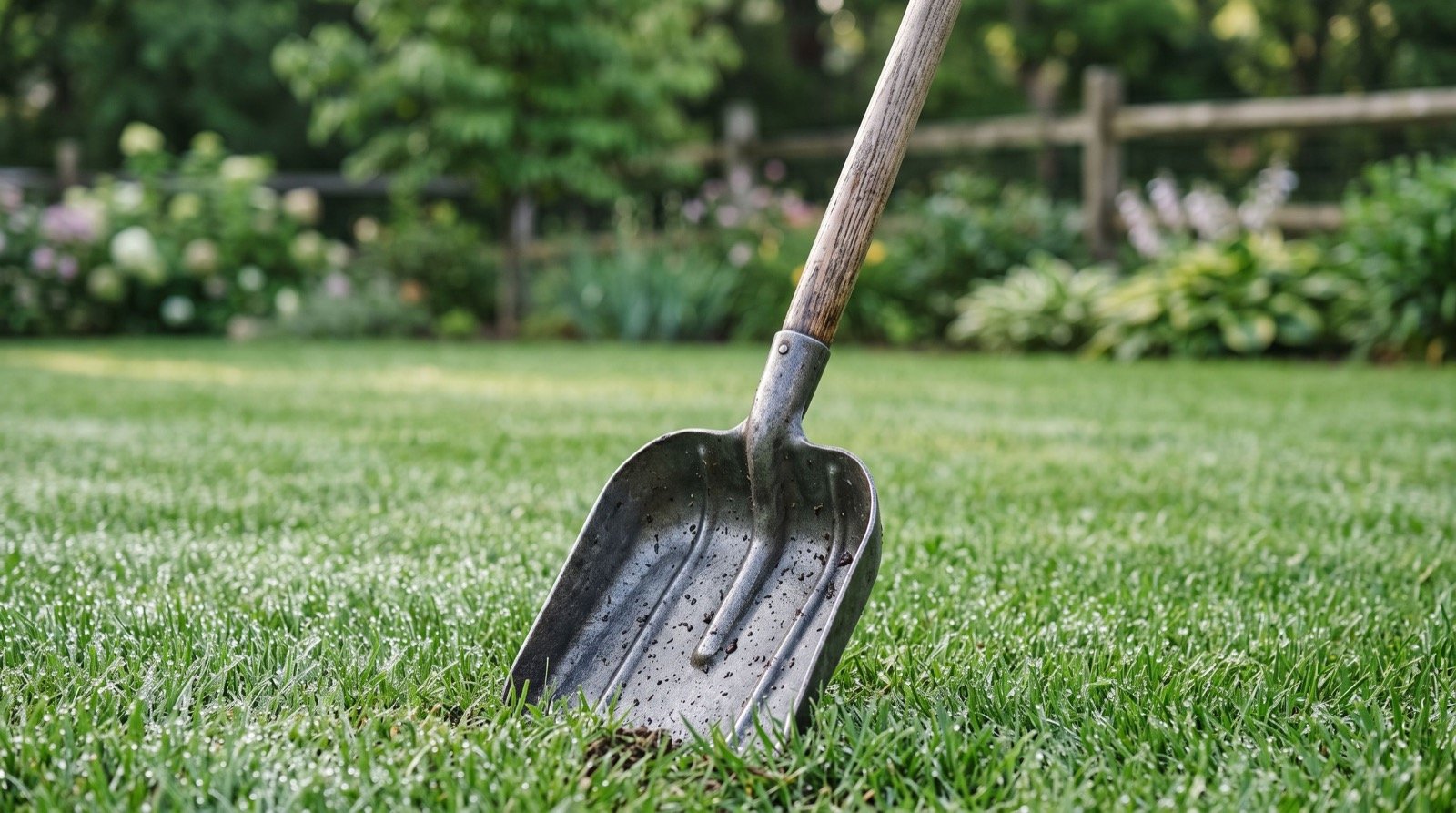
Long-handle metal scoopers extend your reach to three or four feet, letting you stand upright the entire time. Powder-coated aluminum resists corrosion and stays light. If back strain is your main concern, start your search here. A quality long-handle Pooper scooper can eliminate almost all bending during a routine yard sweep.
How Do You Pick a Pooper Scooper by Yard Surface?
Your ground type is the single biggest factor in scooper performance. A mismatch here wastes money and effort every single day.
Grass and Lawns
Rake-and-pan and long-handle rakes dominate here. The tines part the grass and lift waste without gouging the turf. Avoid flat-edged scoopers that flatten blades and smear the mess deeper into the lawn.
Gravel and Mulch
Loose surfaces demand jaw or claw designs. A rake will scoop up handfuls of gravel along with the waste, creating a bigger mess. Tongs let you pluck cleanly while leaving the stones behind.
Pavement and Concrete
Flat-edged scoopers and spring-action bins work beautifully on hard, smooth ground. The straight lip slides flush against concrete and captures everything in one pass.
| Surface | Best Scooper Type | Avoid |
|---|---|---|
| Grass / lawn | Rake-and-pan, long-handle rake | Flat-edge scrapers |
| Gravel / mulch | Jaw / claw tongs | Rake-and-pan |
| Pavement / concrete | Flat-edge, spring-action | Deep-tine rakes |
| Mixed terrain | Claw with long handle | Single-purpose pans |
Ergonomics and Back Health
Cleaning up after a dog should not send you to a chiropractor. Repetitive bending strains the lower back, and the risk compounds with larger yards. The right ergonomics keep you comfortable for years.
The U.S. Occupational Safety and Health Administration notes that awkward, repeated bending is a leading cause of musculoskeletal strain, a principle you can read more about through OSHA’s ergonomics resources. Applying that logic to yard work means keeping your spine as neutral as possible.
Here are the features that protect your body:
- A handle at least 32 inches long so you stand upright
- A cushioned, non-slip grip to reduce hand clenching
- Lightweight aluminum rather than heavy steel
- A spring or lever mechanism that does the closing work
- A wide mouth so you capture waste in fewer passes
One original tip from experience: clean in a slow S-pattern across the yard rather than zig-zagging back and forth. You cover ground methodically, reduce twisting motions, and never miss a spot. Pair your scooper with a sturdy Dog poop bag that clips to the handle so disposal stays one continuous motion.
Cleaning and Maintaining Your Pooper Scooper
A dirty scooper spreads bacteria and smells foul in storage. Regular maintenance keeps it hygienic and extends its life. The Centers for Disease Control confirms that pet waste can carry parasites and pathogens, which you can review via the CDC’s healthy pets guidance.
Follow these steps after each week of use:
- Rinse the scooper with a garden hose to remove residue.
- Spray with a diluted bleach or enzyme cleaner and let it sit five minutes.
- Scrub the pan, tines, or jaws with an old dish brush.
- Rinse thoroughly and shake off excess water.
- Air-dry in sunlight, which naturally helps disinfect surfaces.
- Store off the ground to prevent rust on metal parts.
Inspect springs and hinges monthly. A drop of silicone lubricant keeps moving parts smooth and prevents squeaks. If you are ever unsure whether a tool suits your specific property, consulting an experienced local team can help you evaluate surface conditions before you buy.
Frequently Asked Questions
How often should I use a pooper scooper?
Daily cleanup is ideal for single dogs and small yards. For multiple dogs or larger spaces, aim for at least every two days so waste does not accumulate, harden, or attract pests.
Are metal or plastic scoopers better?
Metal scoopers last longer, resist warping, and clean more easily than plastic. Plastic models cost less upfront but crack in cold weather and stain over time. For long-term value, metal wins.
Can one pooper scooper handle every surface?
A long-handle claw comes closest to a universal tool because the jaws adapt to grass, gravel, and pavement alike. Still, dedicated designs outperform on their intended surface, so serious multi-terrain owners often keep two.
How do I stop my scooper from smelling?
Rinse it immediately after each use and disinfect weekly with an enzyme cleaner. Sun-drying kills lingering bacteria, and storing it dry prevents the musty odor that builds up in a closed shed.
The Bottom Line
Choosing the right pooper scooper in 2026 comes down to three questions: what surface you clean, how much bending you can tolerate, and how easily the tool cleans up afterward. Match the design to your yard, prioritize a long handle for your back, and maintain it weekly.
Ready to make daily cleanup effortless? Explore a durable, ergonomic scooper today and reclaim your yard, your time, and your spine. Your back will thank you tomorrow.